Furniture Pick-Up in France: Fast, Practical Help for Homes and Businesses
Furniture Pick-Up in France for Everyday Needs

If you are looking for Furniture Pick-Up in France, chances are you need a service that is simple, punctual, and flexible enough to fit real-life situations. Maybe you are clearing out a flat after a move, replacing old office furniture, preparing a rental property for new tenants, or removing bulky items that are too heavy to handle alone. Whatever the reason, a local furniture collection service can save you time, effort, and stress.
Across France, furniture removal requests often come from very different property types: city apartments in Paris, Lyon, Marseille, Bordeaux, Lille, Toulouse, and Nantes; family homes in the suburbs; old stone houses in villages; and commercial spaces such as shops, offices, restaurants, and shared workspaces. Each property comes with its own access issues, staircases, narrow corridors, elevator limitations, parking restrictions, and timing needs. That is why a local team can be so useful. They understand how to work around these challenges and keep the process moving smoothly.
Furniture pick-up is more than just lifting and loading. It is about making a cluttered space usable again, helping customers prepare for renovation, resale, end-of-lease handover, or simply a fresh start. From sofas and wardrobes to desks, beds, shelving, and dining sets, a good pick-up service handles bulky items efficiently and with care.
Who Uses a Furniture Collection Service?

Many people assume furniture removal is only for major clear-outs, but the reality is much broader. A furniture collection service in France can support households, landlords, estate managers, office administrators, property investors, retailers, and tradespeople. Some customers need one large item removed. Others need several rooms cleared at once. In both cases, the goal is the same: a fast and practical solution without the strain of moving heavy objects yourself.
Residential customers often call when they are moving to a new home, downsizing, replacing furniture, or clearing out a property after a family change. In apartments, the biggest obstacle is often access. A sofa may not fit through a narrow staircase. A wardrobe may need to be dismantled before it can be removed. A mattress may be easy to move in theory, but awkward in a building with no lift. A professional team handles these situations with the right equipment and enough people on site to do the job safely.
Commercial customers have different pressures. Offices may need old desks and chairs removed before refurbishment. Hotels may replace bedroom furniture in stages. Shops may need display units, shelving, and stockroom items taken away. Restaurants may need worn seating or tables cleared before a redesign. In each case, timing matters. Working around opening hours, access rules, and shared building schedules is often essential.
Common Reasons People Arrange Furniture Pick-Up

There are many everyday reasons to book furniture pick-up in France. Some are planned, others are urgent. What matters is having a service that can respond quickly and adapt to the situation rather than forcing you into a one-size-fits-all solution.
Typical reasons include:
- Clearing furniture before or after a move
- Removing items from rental properties between tenants
- Preparing a home for renovation or redecoration
- Replacing old office furniture during a workplace refresh
- Emptying a garage, cellar, loft, or storage room
- Making space in a holiday home or second property
- Handling bulky items that are too heavy or awkward to move alone
- Removing surplus furniture after estate or inherited-property clearance
For many customers, the biggest value is not just the removal itself but the convenience. Instead of borrowing a van, finding lifting help, and trying to work out local disposal rules, you can book a team that knows how to manage the job properly. That makes the process simpler, especially when time is short.
What Is Included in a Furniture Pick-Up Service?
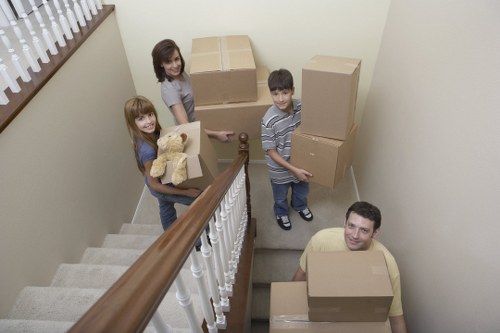
A professional pick-up service should cover the practical steps needed to remove items with minimal disruption. While the exact scope can vary depending on the property and the furniture involved, customers usually expect a service that is well organised from arrival to final loading.
Common inclusions are:
- Assessment of the items to be removed and the access route
- Lifting and moving furniture from inside the property
- Disassembly of items where necessary, such as beds, shelving, or large wardrobes
- Loading into the vehicle using suitable equipment
- Careful handling in stairwells, hallways, courtyards, and shared entrances
- Removal from homes, flats, offices, retail premises, and storage areas
- Responsible sorting and processing after collection, depending on item condition and local arrangements
Some customers only need a single-item collection, while others want a full room or property cleared. Either way, the service should be structured around your needs. If you have one heavy item like a sectional sofa, the team should be ready for a quick collection. If you have a larger clearance, the service should be planned so that the work is efficient and does not hold up your day.
How Furniture Pick-Up Works

The process is designed to be straightforward. A local furniture collection team will usually ask for the type of furniture, the quantity, the location, and details about access. That information helps plan the right vehicle, team size, and time slot. If there are narrow stairs, parking restrictions, or a building without lift access, it is useful to mention that early so the pick-up can be arranged properly.
On the day of collection, the team arrives with the necessary equipment and loads the furniture safely. In many cases, the customer does not need to do much more than make the items accessible. If some pieces are in a basement, attic, or upper floor, the team will typically factor that into the job plan. For larger items, dismantling may be required before removal. Good communication beforehand avoids delays and makes the pick-up more efficient.
Once the items are removed, the customer can reclaim the space immediately. That is especially useful when deadlines are involved, such as moving out of an apartment, handing back office space, or preparing a property for contractors. If you are arranging Furniture Pick-Up in France for a time-sensitive situation, choosing a local team can be a major advantage because they understand how to work within local property and access conditions.
Why Local Knowledge Matters in France
Access, Parking, and Building Challenges
France has a wide mix of housing and commercial property layouts, and that affects furniture pick-up in practical ways. In dense urban areas, parking can be limited, loading zones may be restricted, and streets may be narrow or busy. In older buildings, staircases can be steep, doorways can be tight, and internal layouts may make large furniture difficult to move. In suburban and rural areas, access is usually easier, but long driveways, gated entrances, or distant outbuildings may create different challenges.
A local team is better placed to deal with those realities because it is used to working in the area. That can mean planning around traffic, knowing what to expect from apartment blocks, and arriving prepared for buildings with limited access. It also means understanding that a collection in a historic centre is not the same as a collection from a modern business park or a detached house on the edge of town.
Local relevance matters because furniture pick-up is rarely just about the items. It is about moving those items out of a specific property, through a specific access route, at a specific time. That is why customers often prefer a service that feels nearby, responsive, and practical rather than distant or generic.
Useful for Flats, Houses, and Holiday Homes
Different French properties create different removal problems. In city flats, the challenge is often maneuvering furniture through communal entrances and stairs. In family homes, the issue may be volume: several rooms of furniture can accumulate over time. In holiday homes or second homes, the priority may be to clear the property quickly between visits or before seasonal rental changes. A flexible collection service can adapt to all three.
This is especially important for customers in regions with a mix of old and modern buildings. For example, a furnished apartment in central Paris may require careful planning and quiet handling, while a home in Provence, Normandy, Brittany, Alsace, or the French Alps may involve different access and parking considerations. A dependable service should be able to work across these settings without making the customer feel that their property is unusual or inconvenient.
For commercial spaces, local knowledge can also reduce disruption. Offices in business districts, retail units in town centres, and hospitality venues in busy areas often need quick turnaround and minimal interference with operations. A professional furniture pick-up team helps keep that process controlled and efficient.
Types of Furniture Commonly Collected
Everyday Household Items
Furniture pick-up teams in France are often asked to remove standard household pieces that are difficult to transport without help. These items may be old, damaged, unwanted, or simply being replaced as part of a redesign. A single item can be enough to justify booking a collection if it blocks space or creates a safety issue.
- Sofas and armchairs
- Beds, mattresses, and bed frames
- Wardrobes and chests of drawers
- Dining tables and chairs
- Bookcases and shelving units
- Desks and office chairs
- Coffee tables and side tables
- Cabinets and storage units
Some pieces are bulky but still in usable condition. Others may be worn out or damaged. A reliable collection team should be able to deal with both, without asking you to sort everything into separate lifting categories first. The most important thing is that the items can be removed safely and in line with the arrangements made in advance.
Items That Often Need Extra Care
Not all furniture is easy to move. Some items are awkward because of shape, weight, or condition. Large wardrobes may need to be taken apart before they can pass through doors. Corner sofas can be heavy and difficult to turn in stairwells. Glass-topped tables need careful handling. Antique items, if included, may require extra attention because of their age or fragility.
Commercial furniture can also present complications. Boardroom tables, reception desks, filing cabinets, and modular office systems may require a two-person or multi-person lift. In schools, coworking spaces, clinics, or hospitality settings, there may be timing and noise considerations too. A good pick-up team should be ready to work in a way that respects the building and the people using it.
If you are unsure whether a piece can be collected easily, it is best to describe it in detail when requesting a quote. That helps the team plan the right approach and avoid surprises on the day.
What to Prepare Before the Collection
Simple Preparation Checklist
Preparing ahead of time makes furniture pick-up quicker and smoother. You do not usually need to do heavy lifting yourself, but a little organisation can help the team work more efficiently once they arrive. The more accessible the furniture is, the faster the collection is likely to go.
- Identify which furniture items are to be removed.
- Clear smaller objects from shelves, drawers, and tabletops if possible.
- Make sure hallways, doors, and stairs are as clear as possible.
- Reserve parking or loading access if your building requires it.
- Tell the team about lift access, gate codes, or any entry restrictions in advance.
- Measure large items if you are unsure whether disassembly may be needed.
- Separate anything that is staying from anything that is going.
These steps are especially useful in apartment buildings and managed properties, where shared spaces can create delays if access is not organised. In some cases, building rules may affect collection times, lift use, or loading locations. A local furniture pick-up service can often work around those conditions if the details are shared early.
When You May Want to Empty the Furniture First
It is often helpful to remove loose items from drawers, cupboards, and shelving before the pick-up. This reduces weight and helps protect your belongings. It also makes the work faster and safer for the collection team. If the furniture contains personal papers, valuables, or electronics, these should always be removed beforehand.
For office customers, this is particularly important. Files, client documents, laptops, and small equipment should be separated before the furniture is collected. For households, it may include books, linens, ornaments, and kitchen accessories stored in cabinets or sideboards. A little preparation helps avoid confusion and keeps the process more organised.
In some situations, the team may be able to help with light dismantling or moving furniture from different rooms. If that is needed, it is worth mentioning upfront so the service can be planned properly.
Pricing Factors for Furniture Pick-Up in France
What Influences the Quote?
Furniture pick-up pricing is usually based on practical details rather than a flat, one-size-fits-all idea. Every job is different. The items involved, the access conditions, the amount of labour needed, and the distance to the collection point or disposal route can all affect the final quote.
Common pricing factors include:
- Number and size of furniture items
- Whether items need dismantling before removal
- Floor level and whether there is lift access
- Parking and loading access close to the property
- Time required to move items from inside the building
- Distance from the team’s operating area
- Whether the job is a single-item collection or a larger clearance
Because every property is different, an accurate quote usually depends on clear information upfront. Photos can help in many cases, especially for large items, tight staircases, or unusual access. This is one reason customers appreciate a local service: it can be tailored to the real conditions of the property instead of assuming everything is easy to move.
How to Keep Costs Reasonable
While the final quote depends on the details of the job, there are practical ways to keep the work straightforward. Good preparation, clear instructions, and easy access can all help reduce time on site. If multiple items are going, grouping them together may also be more efficient than scheduling separate visits.
Helpful tips:
- Provide a full list of furniture in advance
- Share information about stairs, lifts, and parking
- Keep the route to the items as clear as possible
- Ask about collection windows that fit your schedule
- Let the team know if any items are located in a basement, attic, or annex
Customers who need furniture pick-up in France often find that simple preparation makes a noticeable difference to convenience. It helps the service feel smoother from the first enquiry through to completion.
Why Choose a Local Furniture Pick-Up Company?
Practical Benefits for French Customers
Choosing a local company offers more than convenience. It also brings practical knowledge that can make the whole process less stressful. A local team usually understands the pace of the area, common building layouts, and the logistical issues that come with French homes and commercial premises. That matters whether you are in a dense city neighbourhood or a quieter residential district.
Local service can also mean better flexibility. If your situation changes, it is easier to adapt with a nearby team that knows the area and can respond accordingly. This is especially valuable for estate clearances, tenancy changes, refurbishment work, and office upgrades where timing is often tight.
For many customers, trust comes from simplicity. You want a company that arrives as arranged, handles the furniture carefully, and completes the removal without unnecessary complications. A local furniture collection service is often the most practical option for that reason alone.
Residential and Commercial Customers Alike
Whether you are a homeowner, tenant, landlord, letting agent, office manager, shop owner, or facilities coordinator, the same principles apply: clear communication, efficient collection, and respectful handling of the property. The difference is in the details. Residential jobs often focus on moving furniture out of living spaces with minimal disruption. Commercial jobs often require coordination with building management, staff schedules, or access controls.
A well-organised team can support both. That is important in France, where local property types vary widely and service needs may range from a single sofa pick-up to a full office clearance. If you need a service that understands these differences, it makes sense to request a free quote and explain the job in detail.
Book your service now if you are ready to free up space and move the project forward. Contact us today to arrange a collection that fits your property, your schedule, and the furniture you need removed.
Areas Covered and Local Relevance
Where Furniture Pick-Up Is Commonly Needed
Furniture collection requests come from all parts of France, and the needs can vary by location. Urban areas often involve apartments, shared entrances, and limited parking. Suburban neighbourhoods may have larger furniture volumes and easier access. Rural areas can involve longer distances, outbuildings, and properties with unique access points. Each setting brings its own practical considerations.
Typical local demand includes major cities and surrounding areas such as Paris and the Île-de-France region, Lyon and the Rhône area, Marseille and the Bouches-du-Rhône, Toulouse, Bordeaux, Lille, Nantes, Strasbourg, Nice, Montpellier, and nearby towns and communes. Customers in these areas often need a service that can move quickly and work around the realities of the local property stock.
That local awareness is especially helpful for flats in older buildings, renovated lofts, townhouses, student accommodation, commercial units, and mixed-use premises. In many parts of France, furniture pick-up is part of a wider property project rather than a standalone task. A dependable service helps keep the whole process on track.
Frequently Asked Questions
Common Questions from Customers
Can you collect just one item of furniture?
Yes, single-item collections are common. Many customers only need one sofa, bed, wardrobe, or desk removed. A local team can usually arrange that without requiring a full clearance.
Do I need to carry the furniture outside first?
No, not usually. In most cases, the collection team removes items from inside the property. If there are access concerns or building restrictions, it helps to explain them in advance.
What if the furniture needs to be taken apart?
Large items may need dismantling before removal. If that is likely, mention it when you request a quote so the team can come prepared.
More Questions Customers Often Ask
Do you handle office furniture as well as home furniture?
Yes. Offices, retail units, hospitality spaces, and other commercial properties often need furniture pick-up, especially during refurbishments or when layouts change.
What details should I share when booking?
The best information includes the type and quantity of furniture, the floor level, lift access, parking arrangements, and any special access instructions. Photos are also useful when available.
How far in advance should I book?
That depends on urgency and availability. For time-sensitive moves or end-of-tenancy deadlines, it is best to enquire as early as possible. If the job is straightforward, a quicker booking may still be possible.
Final Questions Before You Book
Can you help if the property is hard to access?
Yes, but it is important to mention the difficulty in advance. Narrow streets, no lift, steep stairs, or limited parking are common in France and can usually be planned for.
Is furniture pick-up useful for renovation projects?
Absolutely. Removing old furniture before work starts makes it easier for contractors, decorators, and cleaners to do their part without obstruction.
Can the service be used for holiday homes or second properties?
Yes. Many customers book collections for seasonal properties, especially when preparing them for sale, rental, or refurbishment.
If you have a situation that is not covered above, the easiest approach is to request a free quote and explain what needs to be removed. A good local service will help you find the most practical solution.
Ready to Arrange Furniture Pick-Up in France?
Take the Next Step
If you need a practical, local, and efficient way to remove bulky items, Furniture Pick-Up in France is the simple answer. It helps you clear space, reduce stress, and move ahead with your plans whether you are moving home, updating an office, managing a rental property, or clearing a commercial space.
From apartment blocks in busy city centres to family homes in suburban and rural areas, the right service saves time and avoids the hassle of handling heavy furniture alone. It also brings peace of mind when access is tricky and schedules are tight. With the right preparation, the process is smooth, organised, and easy to fit into your day.
Request a free quote today, contact us today to discuss your furniture collection needs, and book your service now if you are ready to clear the space and move forward.