Health and Safety Policy for Removals France
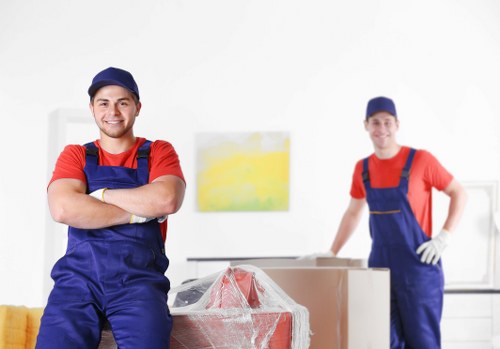 Removals France is committed to protecting the health, safety, and welfare of employees, subcontractors, customers, and any other person who may be affected by our activities. This policy sets out the standards we apply throughout every move, from planning and packing to loading, transport, and delivery. Our aim is to reduce risk, prevent injury, and promote a safe working culture in every environment where removal services in France are carried out.
We recognise that every relocation involves different hazards, including manual handling, vehicle movement, uneven access routes, fragile items, and time pressures. For that reason, our approach is based on risk assessment, clear communication, careful supervision, and the use of suitable equipment. We expect all workers to act responsibly, follow safe systems of work, and report anything that could compromise health and safety.
 The company will provide, so far as reasonably practicable, a safe working environment and the resources needed to maintain it. This includes appropriate training, maintained vehicles, suitable lifting aids, personal protective equipment, and clear procedures for identifying and managing hazards. Our removal safety policy is reviewed regularly to ensure it remains effective and aligned with operational needs.
Core Safety Principles
Safety in French removals operations begins with planning. Before any job starts, we consider access, load weight, item fragility, route constraints, weather conditions, and any likely need for specialist handling. Where a task presents increased risk, additional controls are introduced. This may include team lifting, extra packing protection, or scheduling changes to reduce rushed work.
Manual Handling and Lifting
Manual handling is one of the most common causes of injury in the removals industry. To reduce this risk, employees are expected to assess each item before lifting, use correct posture, and ask for assistance with bulky or awkward objects. Where possible, mechanical aids such as trolleys, straps, ramps, and lifting equipment must be used. Staff should never attempt a lift that feels unsafe or beyond their capability. Protecting backs, shoulders, and hands is essential to maintaining a healthy removals team in France.
 Repetitive strain and fatigue are also important considerations. Workers should take appropriate breaks, rotate tasks where practical, and stay hydrated during physically demanding operations. Supervisors must monitor workload and adjust activity if conditions become excessive or hazardous.
Vehicle and Road Safety
All vehicles used for France removals must be roadworthy, clean, and loaded safely. Drivers are responsible for carrying out checks before use, including tyres, lights, mirrors, fuel, and load security. Goods must be distributed evenly and restrained to prevent movement during transit. Overloading is prohibited, and no vehicle may be used if it is not fit for purpose.
Driving must always comply with safe and lawful road practice. Drivers should remain alert to weather, traffic, fatigue, and route conditions, and should plan journeys so that time pressure does not encourage unsafe behaviour. Mobile phone use while driving is not permitted unless hands-free and compliant with applicable rules, and even then only when it does not distract from the road.
At delivery and collection points, vehicles must be parked in a manner that does not create unnecessary danger to pedestrians, occupants, or other road users. Cones, warning lights, or other controls should be used where needed. Staff must ensure loading and unloading zones are kept as clear as possible. The safety of everyone around the vehicle is part of our wider moving and handling standards.
Workplace Conduct and Protective Measures
All personnel are expected to work cooperatively and maintain good housekeeping standards. Walkways, stairways, and entrances should remain free from obstructions, loose wrapping materials, spillages, and trip hazards. Tools and equipment must be returned to their proper place after use. Careful organisation supports safer operations and reduces the chance of avoidable incidents.
Personal protective equipment may be required depending on the nature of the task. This can include gloves, safety footwear, high-visibility clothing, and other items suitable for the job. PPE must be worn correctly, checked before use, and replaced when damaged or worn out. However, PPE is only one part of the control system and does not replace safe working practices.
Training and supervision are essential to our policy. New starters must receive induction covering basic hazards, emergency actions, correct lifting methods, equipment use, and reporting procedures. Supervisors will provide guidance, monitor compliance, and intervene where unsafe behaviour is observed. Continuous improvement is encouraged, and lessons learned from incidents or near misses will be used to strengthen future practices.
Incident Reporting and Emergency Response
 Any accident, near miss, injury, property damage, or unsafe condition must be reported as soon as possible. Prompt reporting allows us to act quickly, offer support, investigate the cause, and prevent recurrence. Serious incidents may require immediate medical attention and temporary suspension of work in the affected area. Records must be kept accurately and reviewed by management.
In an emergency, the priority is to protect life and prevent further harm. Staff should follow the appropriate evacuation or first aid procedure, alert emergency services if necessary, and assist others only where it is safe to do so. Emergency arrangements will vary depending on the location and type of operation, but everyone must know the basic response expectations before work begins.
Responsibilities and Review
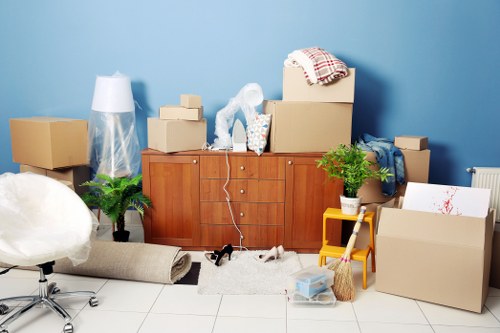 Management is responsible for providing the leadership, equipment, and oversight needed to implement this health and safety policy. Employees are responsible for following instructions, using equipment properly, avoiding reckless actions, and speaking up when something is unsafe. A safe operation depends on shared commitment and day-to-day attention to detail.
This policy will be reviewed regularly and updated where necessary to reflect operational changes, improved working methods, and lessons from practical experience. By maintaining a consistent safety culture, Removals France aims to deliver reliable service while protecting people, property, and wellbeing at every stage of the move.