Moving Van in France
Reliable moving van services for homes and businesses across France

If you are looking for a moving van in France, you are likely planning something important: a flat move in Paris, a family relocation from Lyon to the coast, a student move in Toulouse, or a commercial delivery between business districts and industrial zones. In every case, having the right van, the right loading help, and a local team that understands French streets and building access can make the difference between a stressful day and a smooth one.
Our moving van service is designed for real local needs. That means practical support for apartments, townhouses, suburban homes, offices, shops, and short-notice transport. It also means understanding local realities in France: narrow streets in historic centres, limited parking near residential blocks, lift restrictions in upper-floor apartments, cobbled access roads in older towns, and time-sensitive loading rules in busy neighbourhoods.
Whether you need a small van for a few pieces of furniture or a larger vehicle for a full household move, the aim is the same: safe transport, efficient loading, and a service that fits your schedule. If you are comparing options for a moving van service in France, this page explains what is included, what affects the cost, how to prepare, and why a local team can be a smart choice.
Why choose a local moving van service in France?

A local moving van provider offers more than a vehicle. It brings knowledge of everyday transport conditions that matter to customers. In France, a move can involve steep streets in hillside towns, tight access in older city centres, gated residential complexes, apartment staircases, shared courtyards, or commercial premises with limited loading bays. A team used to these conditions can plan the job more efficiently from the start.
For many customers, the biggest benefit is time. A local crew knows how long it typically takes to reach certain areas, what kind of access issues may appear, and when a smaller van is better than forcing a larger vehicle into an awkward road. That local judgement can help avoid unnecessary delays and reduce stress on moving day.
There is also peace of mind. When you book a moving van in France through a service that regularly handles local removals, you are more likely to get realistic advice on vehicle size, parking arrangements, packing order, and whether you may need extra handling support for heavy items or fragile belongings. This is especially useful if you are moving in places like Marseille, Bordeaux, Nice, Nantes, Lille, Montpellier, Strasbourg, or the wider ÃŽle-de-France area.
Suitable for different types of customers
The service is flexible enough for many kinds of moves and transport jobs:
- Home moves from studios, apartments, and family houses
- Furniture transport from shops, warehouses, or private sellers
- Office relocations and equipment transfers
- Student moves and end-of-lease clearances
- Intercity removals across regions and departments
- Short-notice collection and delivery jobs
What is included with a moving van hire or van-with-driver service?
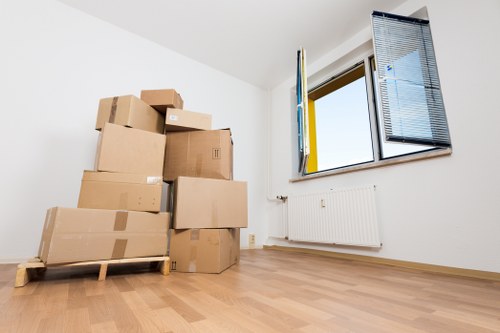
Customers often search for a moving van because they want a simple, direct solution. The exact service can vary, but a strong local moving van package in France usually focuses on practical support for transport day. In many cases, this can include the vehicle, a professional driver, loading assistance, and unloading at the destination.
For larger or more difficult moves, you may also be able to request help with moving heavy furniture, dismantling and reassembly of selected items, protective materials for fragile goods, and advice on the best route or loading sequence. If your property has narrow stairs, no lift, or restricted access, it is worth mentioning this early so the vehicle and crew can be prepared properly.
It is also common for customers to ask whether the service is suitable for mixed loads. The answer is yes in many cases: boxes, furniture, appliances, office items, and personal belongings can often be transported together, as long as everything is packed safely and the van size is appropriate. If you are unsure, request a quote and explain exactly what needs moving. A clear inventory helps the team recommend the right option.
Typical items transported
- Sofas, tables, beds, wardrobes, and shelving
- Fridges, washing machines, and other appliances
- Office desks, chairs, printers, and archive boxes
- Musical instruments, artwork, and fragile household items
- Retail stock, displays, and equipment
- Garden furniture and seasonal items
How a local move usually works

A well-organised move should be straightforward for the customer. Most people prefer a clear process that avoids guesswork. The typical steps begin with an enquiry and a short discussion about what needs to be moved, where it is going, and how accessible both properties are. This allows the service to estimate the right vehicle size and any extra assistance that may be needed.
After the initial details are confirmed, the booking can be scheduled for a convenient day and time. For many customers in France, this means planning around building access hours, parking windows, lift bookings in apartment blocks, and local traffic patterns. Good planning matters in city centres, where a delay finding a parking space can quickly affect the whole timetable.
On moving day, the van arrives at the agreed time, and the team loads the items carefully so that weight is balanced and fragile items are protected. If unloading is included, the same attention is used at the destination. For customers moving within France or between regions, route planning can also help make long-distance transport more efficient and less stressful.
What makes the process easier?
Several things help keep the move efficient:
- Accurate information about the load
- Clear access details for pickup and delivery
- Parking space reserved where possible
- Boxes packed and labelled before arrival
- Fragile items separated and protected
- Any disassembly completed in advance if requested
Local challenges in France that matter on moving day

France has a wide variety of property types and transport conditions, so a moving van service needs to be adaptable. In central Paris, for example, a move may involve narrow one-way streets, shared courtyards, and very limited curb space. In older towns and villages, the challenge may be steep lanes, small entrances, or uneven surfaces. In newer residential developments, access can depend on coded gates, lift reservations, and specific loading areas.
These details are not small. They affect how quickly furniture can be moved, whether larger items fit through stairwells, and how close the van can get to the entrance. A local moving van team will usually ask the right questions before the job begins, such as whether the property is on a high floor, whether a lift is available, and whether parking is possible nearby. That kind of preparation saves time and reduces the risk of damage.
For commercial customers, the same principle applies. Shops, offices, and small warehouses may have access restrictions, busy delivery times, or shared entrances. A service experienced in French local transport will understand that a company relocation cannot simply be treated like a household move. Careful timing and good communication are essential.
Examples of local factors to consider
- Historic streets with low-clearance access
- Apartment blocks with narrow staircases
- Lift booking requirements in residential buildings
- Delivery windows in city centres
- Shared courtyards or private gates
- Regional traffic, toll roads, and seasonal congestion
Areas covered across France
A local moving van service in France can support customers in major cities, surrounding suburbs, and connecting towns. Many people need help not only in dense urban areas but also for cross-town moves, interdepartmental transport, and relocations between regions. The right service should be able to cover a broad area while still offering practical local knowledge.
Common service areas often include city-centre locations, residential districts, business parks, coastal towns, and rural communities. This can be particularly useful for customers moving between areas such as Paris and its nearby suburbs, Lyon and the surrounding Rhône corridor, Toulouse and the wider Occitanie region, or coastal routes linking Nice, Cannes, Marseille, and beyond.
If your move starts in one town and ends in another, a moving van in France can still be the right solution. What matters is choosing the vehicle size, journey timing, and loading method that fits the route. For longer trips, it is wise to plan for traffic, rest stops, and access at the destination so that unloading can happen without unnecessary delay.
Common customer scenarios
- Apartment-to-apartment moves in the same city
- House moves from suburbs to another region
- Student relocations near universities and training centres
- Office transfers between commercial districts
- Retail stock deliveries to multiple locations
- Furniture collection from private sellers or shops
How to prepare for your move
Preparation is one of the easiest ways to make a move faster and more affordable in practical terms, because a well-prepared load is quicker to handle. Start by sorting your items into groups: keep, donate, store, and move. This prevents the van being filled with things you no longer want and helps you stay organised before the crew arrives.
Label boxes by room and by priority. For example, mark essentials such as bedding, toiletries, chargers, documents, and kitchen basics so they can be found quickly after unloading. If you are moving with children, pets, or elderly relatives, consider packing a separate first-night bag so important items remain easy to reach.
Large furniture should be measured before moving day, especially if you live in an apartment with narrow access, tight turns, or limited lift space. In France, it is common for older buildings to have staircases that can make oversized furniture difficult to manoeuvre. Checking dimensions in advance helps avoid surprises and allows the team to suggest safer options if needed.
Preparation checklist
- Confirm the pickup and delivery addresses
- Check parking and access at both ends
- Measure large furniture and doorways
- Pack fragile items securely
- Label boxes clearly by room
- Separate valuables and documents
- Defrost fridges and disconnect appliances in advance
- Keep essential items accessible for the day
Pricing factors for a moving van in France
Customers often want to know what influences the final cost before they book. While exact prices are not fixed here, several practical factors usually shape the quote. The most common are the size of the van, the distance travelled, the time required for loading and unloading, and whether additional handling or labour is needed.
Access conditions can also affect the amount of time required on site. For example, a ground-floor property with parking close by is usually simpler than a fifth-floor flat with no lift and a long walk from the van to the entrance. Likewise, a move involving a single direct load is usually easier than one with multiple pick-ups or deliveries.
Other possible factors include the day of the week, whether the move is local or long-distance, and whether specialised care is required for particularly heavy or fragile items. The best approach is to request a free quote with as much detail as possible. This helps the team provide a realistic estimate and avoid unexpected delays on the day.
Information that helps with an accurate quote
- Number of rooms or approximate volume of items
- Type of property at both ends
- Floor level and lift availability
- Parking distance from the entrance
- Any bulky or delicate items
- Whether loading help is required
- Distance between addresses
- Preferred moving date and timing
Why customers choose a moving van instead of doing everything themselves
Some people think about renting a van and handling the whole move on their own. That may work in some cases, but for many households and businesses in France, a professional moving van service is the more practical choice. It reduces the physical effort on your part, limits the risk of damaging furniture, and helps you keep the day on schedule.
This can be especially important if you are moving from an upper-floor apartment, handling heavy appliances, or balancing a move with work and family responsibilities. A van with experienced loading support is often a better option than trying to manage repeated trips, unplanned delays, or difficult parking on your own.
For commercial customers, the benefits are even clearer. An office move or stock transfer often has to happen quickly so that business can continue with minimal interruption. A local moving van service can help transport equipment efficiently while respecting your operating hours and building access rules.
Practical benefits at a glance
- Less heavy lifting for the customer
- Better protection for furniture and appliances
- More efficient use of time on moving day
- Helpful advice on access and vehicle size
- Suitable for both residential and commercial moves
- Reduced stress when parking or access is difficult
What to expect from a local team
A reliable local team should be clear, organised, and practical. You should expect straightforward communication before the move, careful handling on the day, and a willingness to adapt to the realities of your property. In France, that can mean working around an apartment manager’s rules, coordinating with a concierge, or adjusting to the best loading point based on street conditions.
It also means respecting your belongings. Fragile items should be loaded carefully, furniture should be protected from knocks where possible, and boxes should be stacked sensibly to prevent movement during transport. If you have antique furniture, specialist equipment, or items that need extra attention, mention them early so the team can plan accordingly.
A trustworthy service should also be transparent about what it can and cannot do. If your move needs additional labour, multiple trips, or special handling, it is better to know upfront than to discover the issue later. Clear information helps everyone plan properly and keeps the move running smoothly.
Signs of a well-organised moving van service
- Asks for details about access and parking
- Helps match the right van to the job
- Explains what is included in the service
- Communicates timing clearly
- Handles items with care
- Works efficiently without rushing the load
Residential moving van services
Home moves remain one of the most common reasons people book a moving van in France. These moves can range from a small one-bedroom apartment to a larger family home. Each one has its own challenges, but the basic need is the same: get belongings from one place to another safely and on time.
For residential customers, the service is particularly useful when moving into or out of apartment buildings. Stairs, lifts, and hallways can all slow things down if the load is not planned properly. A local van service that understands the layout of French residential properties can help with a more controlled, less tiring move.
Families often appreciate help with large furniture, children’s bedroom items, and appliances. Students and young professionals, on the other hand, may need a smaller van for a simpler move with boxes, bags, and a few pieces of furniture. In both situations, the key is choosing the right level of support.
Common residential moves
- Rental flat moves at the end or start of a lease
- House moves within the same town or nearby areas
- Downsizing to a smaller property
- Moving in with family or to shared accommodation
- Temporary relocations during renovation work
Commercial and office transport
Businesses also rely on moving van services across France. A commercial move can involve office furniture, retail stock, files, IT equipment, or promotional materials. These items need careful handling and a schedule that avoids unnecessary downtime.
For smaller businesses, a moving van can be ideal for shifting stock between branches or transporting equipment to an event, pop-up shop, or temporary worksite. For offices, the focus is often on keeping items organised so that desks, monitors, chairs, and documents can be placed quickly in the right location after delivery.
Local expertise matters here too. Business premises often have loading restrictions, shared access points, or narrow windows for vehicle entry. Knowing how to work around these issues can help keep operations moving. If your company needs an efficient transport solution in France, a local moving van can be a practical and professional choice.
Commercial customers may need help with:
- Office desks, chairs, and storage units
- Retail displays and stock transfers
- Archive boxes and document transport
- Event equipment and temporary setups
- Small machinery or specialist tools
Frequently asked questions
How far in advance should I book a moving van in France?
It is best to book as early as possible, especially if you are moving during busy periods, at the end of the month, or in summer when many households relocate. Early booking gives you a better chance of securing the time you need and allows more time to plan access and packing.
Can I book a van for a small move?
Yes. Many customers only need a small van for a studio flat, a few furniture items, or a short local delivery. A smaller vehicle can be more practical in areas with limited parking or narrow roads.
Do you handle stairs and apartment access?
In many cases, yes, but it is important to give full details before the booking. If there are multiple floors, no lift, or difficult access, the team can plan the job more accurately and advise on what is manageable.
Can a moving van be used for long-distance moves within France?
Yes. A moving van is often suitable for intercity and interregional transport. The route, journey time, and load size will help determine the best approach, especially if the move covers a long distance or involves multiple stops.
What should I do if I have fragile items?
Pack fragile items securely, label them clearly, and let the team know in advance. If you have artwork, mirrors, glass tables, or delicate electronics, mention them when requesting your quote so the right care can be planned.
Can the service help with both pickup and delivery?
Yes, many customers need a single coordinated move between two addresses. If your job involves collection from one place and delivery to another, include both addresses and access details when you enquire.
Ready to arrange your move?
If you need a moving van in France for a home move, office transfer, furniture collection, or short-distance transport, the next step is simple: request a quote with your move details and choose a time that suits you. The more accurate your information, the easier it is to plan the right van and the right support.
Whether you are moving across town, between regions, or from a city apartment with tricky access, a local service can help make the process more manageable. It is all about practical planning, careful handling, and a team that understands the realities of moving in France.
Contact us today to discuss your move, request a free quote, and book your service now. If you want a solution that is efficient, local, and suited to your property type and location, we are ready to help you get started.